An SAU student's guide to turning end-of-semester closet clutter into cash — drop off on campus, keep 50%, and skip the shipping entirely.
Selling clothes at Spring Arbor University is easier than most students realize: you don't have to photograph anything, write a single listing, or stand in line at the post office. Ada's Closet is a student-run consignment studio right here at SAU (106 E Main St, Spring Arbor) — you drop off a bag, we shoot, price, and list your pieces on Depop, eBay, Poshmark, and Vinted, and you keep 50% of every sale. It's free to start, and payouts land in your Venmo or CashApp.
Here's how it works, what's actually worth bringing, and when in the semester to do it.
Why students have more to sell than they think
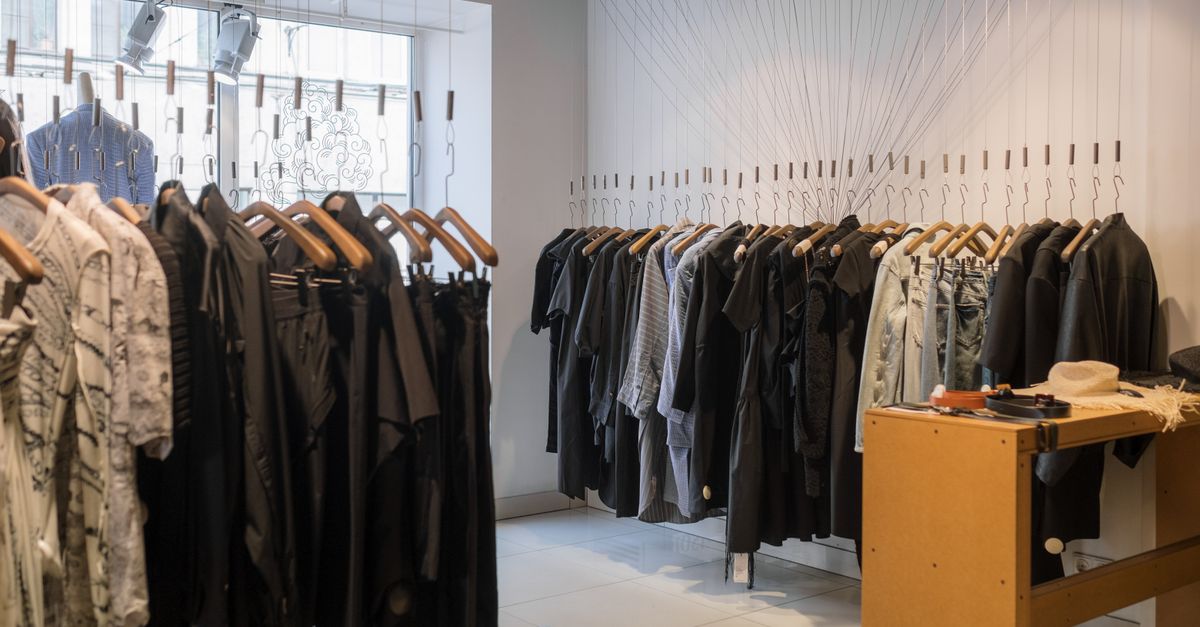
Look at your closet the way a buyer would. The average student wardrobe is carrying three or four semesters of accumulated decisions: the jacket you bought for a job interview, the going-out top you wore twice, the shoes that were almost the right size, the hoodie from a club you're no longer in.
None of that is worthless. On resale apps, a lot of it is exactly what people search for. Campus wardrobes skew toward the brands that resell best — Nike, Lululemon, Carhartt, Levi's, Patagonia, Adidas — because those are the same brands people buy for college in the first place. A three-year-old Carhartt jacket isn't old; secondhand, it's the thing buyers are hunting for.
There's also a volume effect nobody plans for. Sell one shirt and it isn't worth your afternoon. But most students who actually clean out a closet come up with fifteen to thirty sellable pieces, and at that point the math changes: a bag you were about to shove under a bed becomes real money, without you doing any of the work.
The pieces to be honest about are the ones that don't sell well anywhere: fast-fashion basics that have gone thin, anything stained or pilled, and clothing that's genuinely worn out. If you want the full breakdown, we wrote about what clothes actually sell best and the brands with the best resale value.
Selling clothes at Spring Arbor University: your options, compared
You have four realistic ways to deal with clothes you're done with, and they trade time for money very differently.
| Option | Your effort | What you get | Timeline |
|---|---|---|---|
| Haul it home | A carload and a closet at your parents' house | Nothing | Forever |
| Donate the whole bag | Low — one drop-off | A clear closet, no money | Same day |
| List it yourself online | High — photos, listings, messages, shipping | Full price minus platform fees | Weeks of your time |
| Consign with Ada's Closet | Very low — drop off a bag | 50% of every sale, no fees to you | Listed in about a week |
Listing it yourself genuinely pays the most per item — if you enjoy the process. What it costs is real hours: photographing each piece in decent light, writing descriptions, answering "will you take $12?", then packing and mailing boxes between classes. We compared the two paths honestly in consignment vs. selling it yourself.
Consignment exists for the other version of you — the one with a thesis due. You bring the bag; we run the shop. Because we're listing across four marketplaces every week, we also know what a piece is worth and which platform it moves fastest on, which usually beats a guess-and-hope listing anyway.

What to gather before drop-off
You don't need to prep much, but ten minutes of sorting makes a real difference in what you earn.
Bring clean, gently used clothes, shoes, and accessories in genuinely sellable condition. Wash or wipe things down first — photos are unforgiving, and a fresh-looking piece prices higher. Recognizable brands and current styles move fastest, but plain quality basics sell steadily too.
Skip anything stained, torn, heavily pilled, missing hardware, or so worn it wouldn't pass in person. Underwear and swimwear generally don't resell. Fast-fashion pieces that have lost their shape are usually better off donated.
Don't overthink the rest. If you're unsure whether something is worth listing, bring it — sorting is part of what we do, and you're not charged for a piece that doesn't make the cut.
A few small things that help: keep pairs together, empty the pockets (you'd be amazed), and if you still have the original box for a pair of shoes, bring it. Boxed sneakers consistently sell for more.
Signing up takes about a minute on the sign-up page, and you can do it before you pack the bag or on the walk over.

How payouts work for busy students
The model is deliberately simple: a 50/50 split. When your item sells, you keep 50% of the final sale price, and we keep 50% for the photography, pricing, listing, buyer questions, and shipping. There's no upfront fee, no monthly cost, and no charge for items that don't sell — we only make money when you do.
Payment goes out by Venmo or CashApp after a sale, which is the part students care about most: no checks, no mailing address to update when you change dorms, no waiting on a paper statement. The money just shows up in the app you already use.
Timing splits into two pieces. Listing is fast and predictable — items are typically photographed and live within about a week of drop-off. Selling is not predictable, because it depends on brand, size, season, and price. A Lululemon quarter-zip in September may go in days; a summer dress dropped off in November waits for spring. That's normal resale rhythm, not a problem with your item. For the full mechanics, see how consignment payouts work.
Anything that hasn't sold after a fair run comes back to you or gets donated — your call. Nothing quietly vanishes.
End-of-semester timing
The best time to consign as an SAU student is two weeks before move-out, not the night before.
Move-out week is when the pile is most obvious and your time is least available. Sorting a closet at 11pm before your parents arrive is how good clothes end up in a trash bag. Starting a couple of weeks early means you can drop off a bag and drive home lighter.
Two moments in the year are worth putting on your calendar:
- Late April / early May. The big one. You're packing anyway, so you're already touching every item you own — pull the pieces you didn't wear all year straight into a consignment bag. Spring is also when buyers are shopping for summer, so seasonal items are in demand right as you're letting them go.
- Early December. Smaller, but useful. Winter break is long enough that anything you leave behind sits unused for a month, and holiday shopping means resale traffic is high.
If you're mid-move and genuinely out of time, we offer pickup in the Spring Arbor and Jackson area for a small fee — the clothes can leave your room without you leaving your desk. (Not an SAU student but nearby? The same service covers the area — here's how to sell your clothes in Jackson, MI.)
One last habit worth building: if you didn't wear something during the season it was made for, you won't wear it next year either. Consign it while it's still current — resale value drops the longer a piece sits in a closet. The same instinct behind a good closet clean-out applies twice a year on a campus calendar.
Got a pile that's been sitting there since freshman year? Start consigning — it's free, it takes about a minute to sign up, and the bag under your bed is worth more than you think.