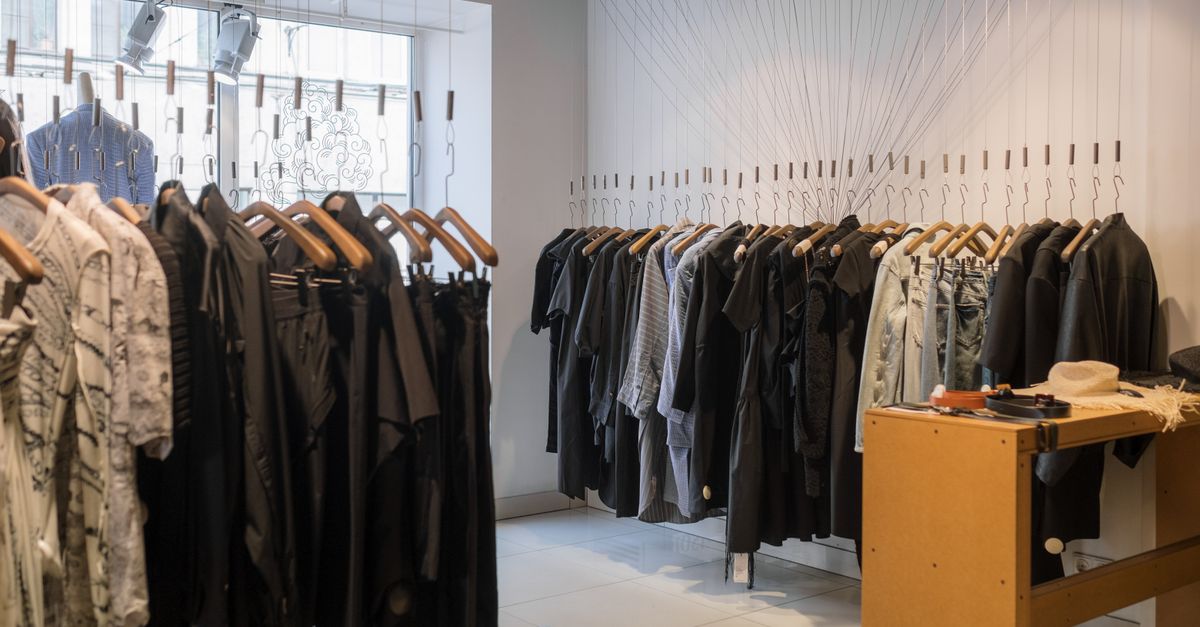
A practical, room-by-room checklist for refreshing your wardrobe each spring — what to keep, what to sell, and how to make space for cash.
A spring wardrobe refresh checklist is a short, repeatable routine that resets your closet for the warm months: empty it out, decide what stays, pull the pieces worth money, and turn the rest into cash. Done in an afternoon, it clears the clutter that piled up over winter and puts a little spending money back in your pocket. Here is the exact five-step version we use — no all-day purge required.
Step 1: empty and sort
Start by pulling everything out. This is the one step people skip, and it is the one that makes the whole spring wardrobe refresh checklist work. When clothes are hanging in place, your eye slides right past them; when they are all on the bed in one pile, you actually see what you own.
Sort fast into three piles only: keep, go, and maybe. Do not agonize over each item — first instinct is usually right. Anything you reach for often, that fits and feels good, goes straight to keep. Anything you had forgotten you owned goes to go. Set the genuinely uncertain pieces in the maybe pile and move on; you will deal with those at the end, and most of them quietly turn into "go" once the momentum builds.
Work in categories if the pile feels overwhelming — all the tops first, then bottoms, then dresses, then outerwear. Seeing seven nearly identical black tees next to each other makes the decision for you.
Step 2: try the one-year test
For everything in the "go" and "maybe" piles, ask one question: have I worn this in the last year? Spring is the ideal time to ask it because you have just lived through a full cycle of seasons — if a piece did not earn a spot in your rotation across all four, it probably will not next year either.
There are two fair exceptions. The first is truly seasonal gear — a winter coat or swimsuit you only wear a few months a year still earns its keep. The second is sentimental pieces, which are allowed to stay for reasons that have nothing to do with how often you wear them. Everything else that failed the one-year test stays in the go pile.
Be honest here, but do not be ruthless to the point of tossing money. A brand you do not recognize might have real resale demand, and "I'm bored of it" is very different from "no one would want it." When in doubt, keep it in play for the next step rather than sending it out the door.
Step 3: separate sellable pieces
Now split that "go" pile into three smaller ones:
- Sell — clean, good-condition, brand-name, or current-style pieces. Denim, activewear, dresses, jackets, and shoes tend to move fastest.
- Donate — wearable but low resale value, unbranded basics, or heavily worn everyday items.
- Toss or recycle — anything stained, torn, pilled, or stretched out that no one else can realistically use.
Not sure which pile a piece belongs in? A few quick tells put something in the sell pile: a recognizable label, no visible flaws, and a style that still looks current. If you want a sharper read on which of your clothes are actually worth listing, our guide to what sells best on Depop, Poshmark, and eBay breaks down the categories and brands buyers search for — and the labels with the strongest resale value right now.

Step 4: turn it into cash
Here is where most closet cleanouts stall. The sell pile gets bagged up with good intentions, set by the door — and then sits there for three months because photographing, pricing, listing, and shipping each item is genuinely a lot of work.
The fix is to hand it off. Drop your sell pile at Ada's Closet, the student-run consignment shop at Spring Arbor University (106 E Main St, Spring Arbor, MI), and we do all of it for you. We photograph each piece, price it, and list it on Depop, eBay, and Poshmark. You keep 50% of every sale — a straight 50/50 split — paid out by Venmo or CashApp. It is free to start, most items are listed within about a week, and anything that does not sell is returned to you or donated, your choice. There is nothing to ship and nothing to manage on your end.
If it helps to see the numbers side by side, here is how the sell pile options compare:
| Option | Your effort | Typical payout | You get paid |
|---|---|---|---|
| List it yourself | Photograph, price, list, message buyers, ship each item | ~80–90% (minus app fees, supplies, and your time) | Whenever each item sells and clears |
| Consign with Ada's Closet | Drop off the pile — that's it | 50% of each sale | Venmo or CashApp after items sell |
| Donate | Bag it up and drop it | $0 (tax receipt only) | Never |
For most people the trade is easy: half of a sale that actually happens beats 90% of a listing you never got around to creating. Want the full breakdown of the math? We wrote an honest comparison of consigning versus selling it yourself, and a plain-English walkthrough of how payouts and the 50/50 split work. When you are ready, you can start consigning here.
Step 5: organize what's left
With the clutter gone, your keep pile finally has room to breathe — and organizing it well is what keeps the whole thing from creeping back by summer.
Bring your spring and summer pieces to the front and the center of the rack, where you will actually see and wear them. Box up or push heavy winter coats and sweaters to the back; you do not need them staring at you in April. If you have the space, group by type — tops together, bottoms together — so getting dressed takes seconds, not a dig.
A few small habits keep a refreshed closet refreshed. Use matching hangers so nothing slips to the floor and disappears. Try the reverse-hanger trick: turn every hanger backward today, and flip it the right way only after you wear that piece. By fall, whatever is still backward is next season's sell pile, already identified for you.
That is the whole checklist — empty and sort, apply the one-year test, separate the sellable pieces, turn them into cash, and organize what stays. Do it every spring and fall and your closet never gets overwhelming again, while a small, steady stream of resale money keeps coming in. If your bags are already packed, start with this season's pile and let us do the listing.